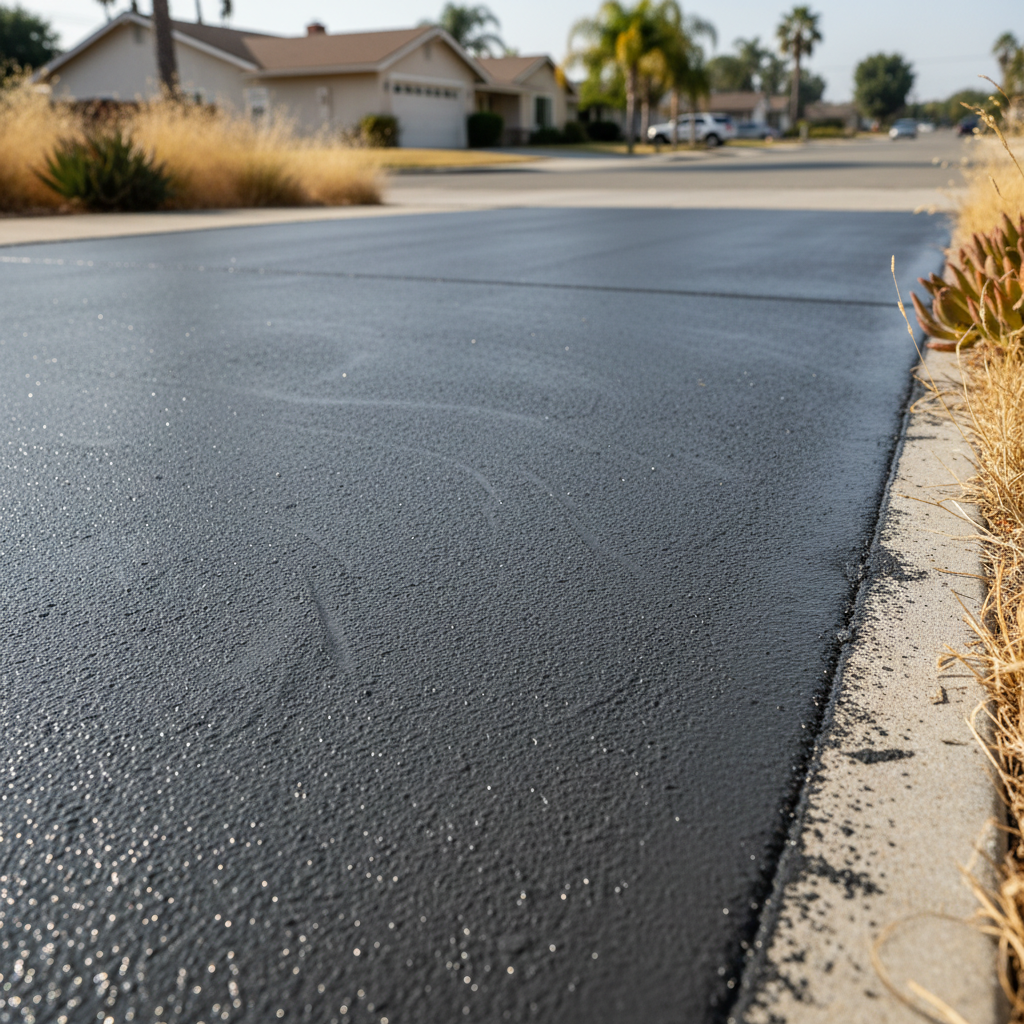
Alright, let's talk about slurry coating. Maybe your asphalt driveway is looking a little tired, faded, or has some minor cracks. You're probably wondering if slurry coating is the answer, and if you can just tackle it yourself. Good question! The short answer is: sometimes, but not always.
What Even Is Slurry Coating?
Think of slurry coating as a protective, refreshing layer for your asphalt. It's a mix of asphalt emulsion, aggregates (like fine sand or rock dust), water, and some other additives. Now, it's thicker than just a regular sealcoat, which is mostly liquid asphalt. That extra aggregate gives it more body, helps fill in small voids, and provides a bit more texture and durability. It's designed to extend your pavement's life, protect it from UV rays, water penetration, and traffic wear, plus give it that nice, dark, fresh look again.
Before You Even Think About It
First off, you've got to really look at your driveway. Is it just faded with a few hairline cracks? Or are we talking potholes, alligator cracking, or major structural issues? If it's the latter, a slurry coat isn't going to fix it. That's like putting a fresh coat of paint on a rotting fence – it might look good for a minute, but the underlying problem is still there, isn't it? Slurry coating is for maintenance, not major repairs. You need to fill those bigger cracks and patch any significant damage first. If you don't, the slurry coat will just crack right along with the old asphalt underneath, and you'll be out your time and money.
Cleanliness is super important in this business. You need to thoroughly clean your driveway. I'm talking sweeping, blowing, and pressure washing to get rid of all dirt, oil, grease, and loose debris. Got any oil spots? You'll need to treat those with a primer or a special cleaner, otherwise, the slurry won't stick. This step is a must. Skip it, and you're asking for trouble.
DIY vs. Calling Western Paving
So, can you do it yourself? For a small, relatively flat, and well-maintained driveway with minimal cracking, maybe. You can buy slurry mix at home improvement stores; it usually comes in buckets or drums you mix with water. You'll need squeegees, brushes, and rollers. It's labor-intensive, and getting an even coat without streaks or puddles takes practice. The biggest challenge for DIYers is usually consistency and application technique. You want a uniform layer, not thick spots and thin spots. Plus, it's messy. You'll need to protect your garage door, landscaping, and any adjacent concrete.
Here's when you absolutely should call a pro like us at Western Paving:
- Large Driveways: If your driveway is big, covering a significant area like some of those sprawling properties near Bolsa Chica, it's just too much work for one or two people to handle effectively before the product starts to set.
- Steep Slopes or Complex Shapes: Slurry can be tricky on slopes. Getting a consistent finish around intricate curves or multiple turns is tough.
- Significant Cracking or Damage: If you've got more than just hairline cracks, you'll need proper crack filling and possibly patching before slurry. Pros have the right equipment and materials for this.
- Time Constraints: This isn't a quick weekend project. There's prep time, application time, and then cure time – a lot of time.
- You Want a Warranty: If something goes wrong, you're on your own with DIY. A professional job usually comes with a guarantee.
We've got the specialized equipment – big mixing tanks, spray applicators, and experienced crews who do this all day, every day. We can get a perfectly even coat, quickly and efficiently.
During the Application
Whether you DIY or hire us, weather is a huge factor. You need at least 50°F and rising, no rain in the forecast for at least 24-48 hours, and ideally, not scorching hot either. Too hot, and it dries too fast, making it hard to work with. Too cold, and it won't cure properly. Humidity also plays a role. Good ventilation and air movement are key for proper curing. You'll need to barricade your driveway. Seriously, put up cones or tape. You don't want anyone driving or walking on it too soon.
After the Slurry Coat
Once it's down, you need to let it cure. This isn't a quick dry; it's a cure. You're usually looking at 24-48 hours before you can walk on it, and 48-72 hours before you can drive on it, depending on the product and the weather. Don't rush it! Driving on it too soon will leave tire marks and can damage the fresh coat. For the first few weeks, try to avoid sharp turns or heavy braking on the new surface, especially if it's hot. It's still hardening up. You'll want to sweep it regularly to keep it clean and prevent abrasive dirt from wearing it down. A well-applied slurry coat can last several years, protecting your investment and keeping your property looking sharp.