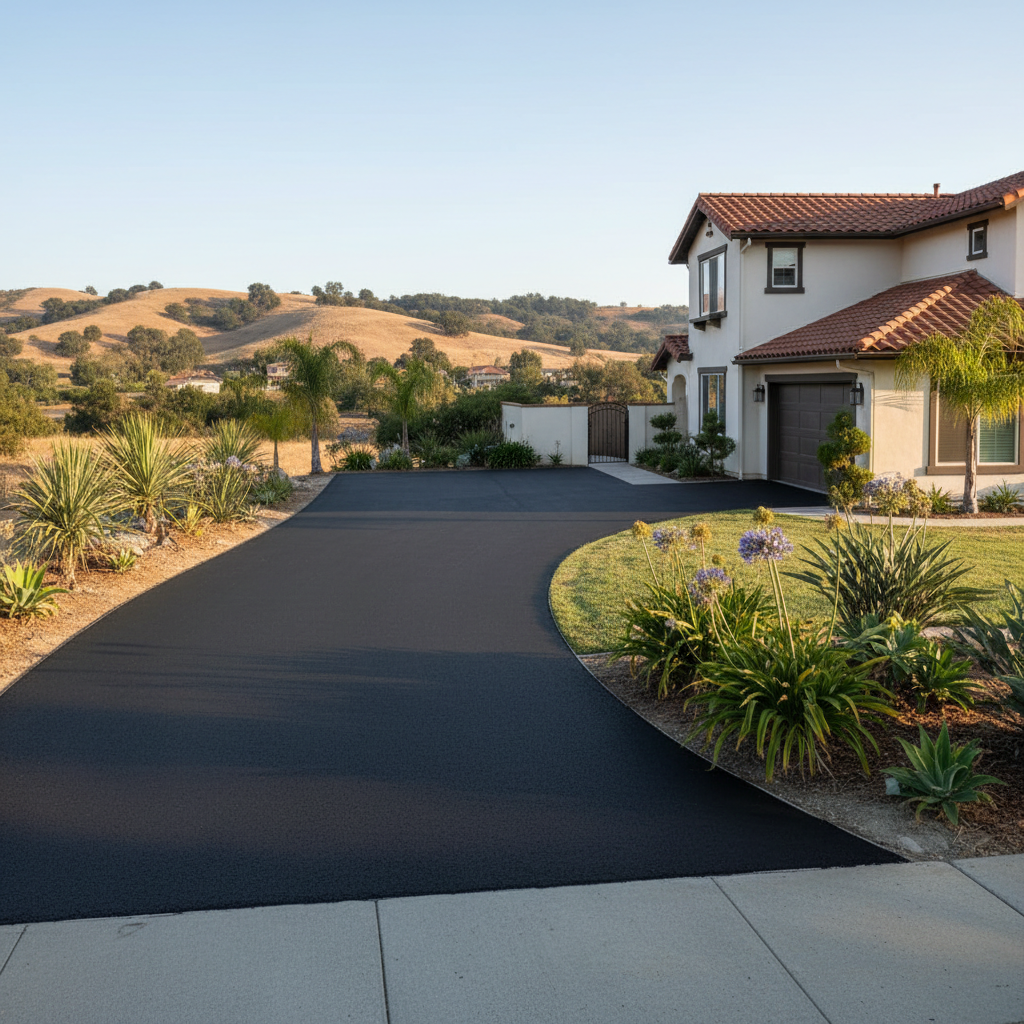
You want your asphalt driveway or parking lot to last, right? Of course you do. But a lot of folks don't realize that **when** you get the work done makes a huge difference, especially here in Westminster. It's not just about finding a good contractor; it's about understanding our local climate and how it plays into the paving process. It really matters.
Why Westminster's Weather Matters for Asphalt
Our Southern California weather is pretty mild most of the year, which is great for living, no doubt. But it's not always ideal for laying asphalt. Asphalt needs specific conditions to cure properly, you see. It's a mix of aggregate, binder, and filler, and that binder needs to cool and harden at a certain rate to achieve maximum strength and flexibility. If it cools too fast, or too slow, you can end up with issues down the road. Nobody wants that.
Think about it: when we're laying hot asphalt, it's typically around 300-350 degrees Fahrenheit. The ground temperature and air temperature directly affect how quickly that heat dissipates. If it's too cold, the asphalt cools too fast, making it hard to compact properly. You get a less dense, more brittle surface that's prone to cracking sooner. If it's too hot, the asphalt can stay too pliable for too long, making it susceptible to rutting or displacement before it's fully set. What a headache.
The Best Time to Schedule Your Paving Project
So, when's the sweet spot? Generally, I tell folks in Westminster to aim for the spring or fall. These seasons usually give us consistent mild temperatures—not too hot and not too cold. You're looking for daytime temperatures that are consistently above 50 degrees Fahrenheit, but ideally below 90 degrees. This allows for proper compaction and a good, strong cure. Just right.
- Spring (March to May): This is often ideal. We've usually shaken off the winter rains, and the ground has had a chance to dry out and warm up. The days are getting longer, and we typically have comfortable working temperatures then.
- Fall (September to November): Another excellent window. The intense summer heat has usually passed, but we're not yet into the cooler, wetter winter months. The ground still holds some warmth, which really helps with the curing process.
Summer can work, but you've got to be careful. Those really hot days, especially if we get one of those Santa Ana wind events pushing temps into the high 90s or even 100s, can make paving tricky. The asphalt can stay too soft, and it's harder for the crew to work efficiently and safely. And winter? Forget about it for new paving. The cold, wet conditions are just asking for trouble. You'll get poor compaction, and the asphalt won't bond right, leading to premature failure. What a waste of money.
Weather Conditions That Affect the Work
Beyond just temperature, a few other weather factors come into play:
- Rain: This is a big no-go. You absolutely cannot lay asphalt on a wet surface. The water prevents proper bonding between the asphalt layers and the sub-base, leading to delamination and weak spots. If rain is in the forecast, we'll reschedule. It's just not worth cutting corners.
- High Humidity: While not as critical as rain, very high humidity can sometimes slow down the curing process of certain asphalt types or sealants. It's usually not a deal-breaker for new paving, but it's something we monitor.
- Strong Winds: High winds can cause the asphalt to cool too quickly, similar to cold temperatures. It also makes it harder for the crew to work, especially with dust and debris flying around.
When you call Western Paving for a quote, we're not just looking at the size of your job; we're also thinking about the calendar and the forecast. We want to make sure we're setting you up for success from day one. That's our promise.
Protecting Your Asphalt Investment Year-Round
Once your asphalt is down and cured, your job isn't over. You've made an investment, and you need to protect it. Here's how:
- Keep it Clean: Regularly sweep or blow off debris, dirt, and leaves. Organic matter can hold moisture and break down on the surface, causing stains and accelerating deterioration.
- Address Spills Immediately: Oil, gas, and other automotive fluids are asphalt's worst enemies. They break down the binder, creating soft spots. Use an absorbent material like cat litter to soak up spills, then clean the area with a mild detergent and water.
- Watch for Cracks: Even with the best paving job, cracks can appear over time due to ground movement, heavy loads, or our local soil conditions, especially in older neighborhoods with expansive clay. Don't let small cracks become big problems. Get them filled promptly to prevent water from penetrating the sub-base and causing more extensive damage.
- Consider Sealcoating: While this post isn't about sealcoating itself, it's a vital part of year-round protection. It acts like sunscreen and a protective barrier, shielding your asphalt from UV rays, water, and chemicals. Plan to get it done every 2-3 years, depending on traffic and wear.
- Mind the Edges: The edges of your driveway are often the weakest points. Avoid driving heavy vehicles right on the edge, and make sure the surrounding landscaping provides proper drainage away from the pavement.
Taking these steps, combined with getting your paving done at the right time, will ensure your Westminster asphalt lasts for years, looking good and performing well. It's all about being smart with your investment. And who doesn't want that?