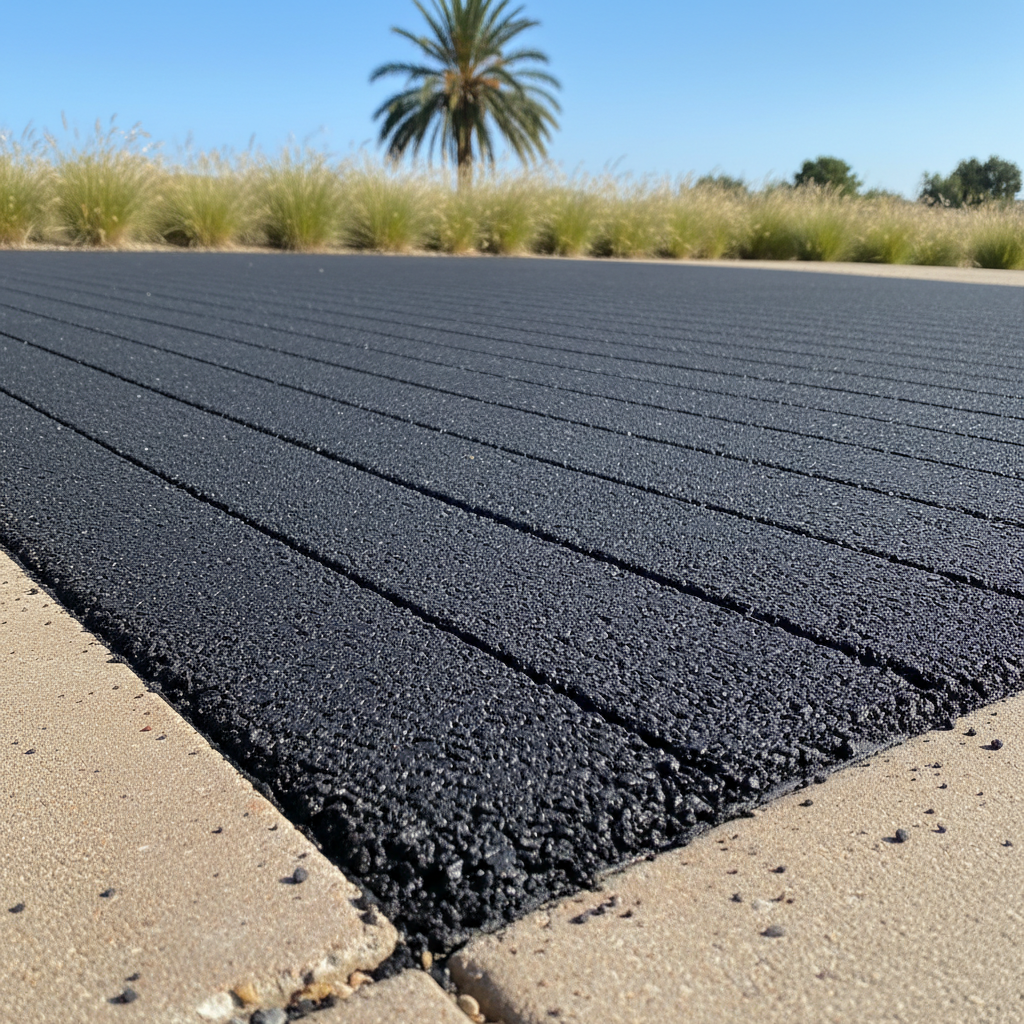
Alright, let's talk about paving a parking area at your place. Maybe you've got a big property, or you're finally tired of that gravel patch turning into a mud pit every winter. Whatever the reason, you're looking at putting down some asphalt or concrete. It's a big job, no doubt, but understanding what goes into it can save you a lot of headaches and cash.
Before You Even Think About Shoveling
First things first, you gotta plan. What’s this parking area for? Just your car? An RV? Maybe you're running a home business and need space for clients? The weight and frequency of traffic will dictate how thick your base needs to be and what kind of paving material is best. Don't skimp here; a thin base under heavy loads means cracks and potholes way sooner than you'd like.
Next, drainage. This is huge, especially with our occasional heavy rains here in Westminster. You don't want water pooling up on your new surface. That'll erode the base, undermine the edges, and just generally make a mess. Think about where the water will go. Does it slope towards a drain? Away from your house? You might need to install catch basins or a French drain system. This isn't something you can just eyeball; proper grading is essential.
Then there's the underground stuff. Are there any utility lines running through where you want to pave? Sprinkler systems? Gas lines? Electrical conduits? You absolutely need to know this before you start digging. Call 811, the Dig Alert service. It's free, it's the law, and it could save your life or prevent a massive repair bill. Seriously, don't skip this step. I've seen folks hit lines, and it's never pretty.
Finally, permits. Depending on the size and scope of your project, you might need one from the City of Westminster. A small extension of an existing driveway? Probably not. A whole new parking lot on a previously unpaved area? Likely yes. Check with the city's planning or building department. They'll tell you what's required and what codes you need to meet.
During the Paving Project: DIY vs. Pro
Okay, so you've done your homework. Now, can you actually do this yourself? For very small, simple patches or repairs, maybe. For anything resembling a 'parking lot,' even a small one, you're almost certainly going to need a pro. Here's why:
- Excavation and Grading: You need to remove existing material, dig down to a proper depth, and then grade the sub-base perfectly. This requires heavy equipment like excavators, bobcats, and laser levels. Not your average weekend warrior tools. Getting the grade wrong means drainage issues and a weak foundation.
- Base Material: Laying down and compacting several inches of aggregate base is critical. This needs to be done in layers, with each layer thoroughly compacted. Again, heavy rollers are needed. A hand tamper just won't cut it for a parking area.
- Paving Material:
- Asphalt: This is a hot material. It comes in a truck, needs to be spread quickly and evenly while hot, and then compacted with heavy rollers. It's a race against time and temperature. If it cools too much before compaction, it won't bind properly and will fail prematurely. This is definitely not a DIY job for a full parking lot.
- Concrete: While you can pour small concrete slabs yourself, a large parking area requires precise forms, proper rebar or mesh placement, and a lot of concrete. You'll need a crew to pour, screed, float, and finish it before it sets. It's back-breaking work that requires speed and skill to get a smooth, durable finish.
- Equipment: I mentioned it already, but it's worth repeating. The specialized equipment for paving is expensive to rent and takes skill to operate. You're not just renting a shovel; you're looking at compactors, pavers, concrete mixers, screeds, and more.
Look, I've been doing this for years at Western Paving. I've seen the DIY attempts that go sideways. It usually ends up costing more to fix a bad job than it would have to hire a professional from the start. For a parking lot, big or small, you really want to call in the experts. We have the equipment, the experience, and the crew to get it done right the first time.
After the Paving: Maintenance Matters
So, you've got your beautiful new parking area. Great! But the job isn't over. Just like anything else, it needs some care to last. Especially with our intense sun and the occasional ground movement we get in areas like the Bolsa Chica mesa, maintenance is key.
- Asphalt:
- Sealcoating: This is your best friend. Sealcoating protects the asphalt from UV rays, water, and oil spills. It keeps it looking good and extends its life. You'll want to do this every 2-3 years, sometimes sooner depending on traffic and weather.
- Crack Filling: Small cracks will happen. It's inevitable. But don't let them grow. Fill them promptly with a good quality crack filler. This stops water from getting underneath and eroding the base, which is what leads to potholes.
- Pothole Repair: If you do get potholes, get them fixed quickly. They only get bigger and more dangerous.
- Concrete:
- Sealing: Concrete can also benefit from sealing, especially if you want to protect it from stains and moisture.
- Crack Repair: While concrete is tougher, it can still crack. Address these cracks to prevent water intrusion and further damage.
- Joint Maintenance: The expansion joints in concrete are there for a reason. Make sure they stay clean and filled with appropriate sealant.
Keep the area clean. Sweep away debris, leaves, and dirt. Don't let oil or chemical spills sit on the surface; clean them up quickly. Good maintenance isn't just about aesthetics; it's about protecting your investment and ensuring your parking area serves you well for decades.
If you're thinking about a project like this for your Westminster home, don't hesitate to reach out. We can walk you through the specifics for your property and make sure you get a durable, functional parking area that adds value to your home.